The Molecule That Changed Medicine: What Japanese Research Reveals About Molecular Hydrogen
A Discovery That Started in Japan
In May 2007, a paper titled *"Hydrogen acts as a therapeutic antioxidant by selectively reducing cytotoxic oxygen radicals"* was published in Nature Medicine — one of the world's most prestigious scientific journals. The lead author was Professor Shigeo Ohta of Nippon Medical School in Tokyo, Japan. What he and his team demonstrated would set off a wave of scientific inquiry that continues to this day.
The finding was deceptively simple: molecular hydrogen (H₂), the smallest and lightest molecule in existence, could selectively neutralise the most harmful type of free radical in the human body — the hydroxyl radical (•OH) — without interfering with the beneficial reactive oxygen species that the body uses for normal cellular signalling.
*"Hydrogen is the most abundant element in the universe. It is also the simplest. What surprised us was that something so simple could be so selective — and so powerful."* — Professor Shigeo Ohta, Nippon Medical School
Why Oxidative Stress Matters
Every cell in your body produces energy through a process that generates reactive oxygen species (ROS) as a byproduct. In small amounts, these molecules are useful — they help fight infection and regulate cell growth. But when ROS accumulate faster than the body can neutralise them, the result is oxidative stress: a state of cellular damage linked to accelerated ageing, inflammation, metabolic dysfunction, neurodegeneration, and cardiovascular disease.
Conventional antioxidants — vitamin C, vitamin E, polyphenols — are broad-spectrum. They neutralise all ROS indiscriminately, including the beneficial ones. Professor Ohta's research revealed that molecular hydrogen is different. H₂ selectively targets only the *cytotoxic* radicals — particularly the hydroxyl radical and peroxynitrite — while leaving beneficial ROS intact. This selectivity is what makes hydrogen unique among all known antioxidants.
From the Laboratory to the Hospital Ward
Following the 2007 Nature Medicine paper, research into hydrogen medicine expanded rapidly across Japan and then globally. By 2016, the Japanese Ministry of Health, Labour and Welfare had approved hydrogen gas inhalation as an advanced medical treatment — specifically for post-cardiac arrest syndrome — making Japan the first country in the world to formally recognise hydrogen as a medical therapy.
NHK World's *Medical Frontiers* documentary series featured the clinical use of hydrogen gas in Japanese hospitals, documenting how hydrogen inhalation increased survival rates in cardiac arrest patients by 24% and reduced neurological damage in survivors.
What the Research Shows
As of 2026, over 1,500 peer-reviewed studies have been published on the biological effects of molecular hydrogen across more than 170 disease models. Research spans metabolic syndrome, athletic performance, neurological health, cardiovascular function, and cellular ageing — with consistently promising results across all areas.
Professor Ohta, now based at Juntendo University in Tokyo, has continued to expand the scientific understanding of hydrogen biology. His work has explored hydrogen's role in mitochondrial function, its relationship to autophagy (the cellular self-cleaning process), and its potential applications in neurodegenerative conditions including Alzheimer's disease.
Hydrogen Tablets: Bringing the Research to You
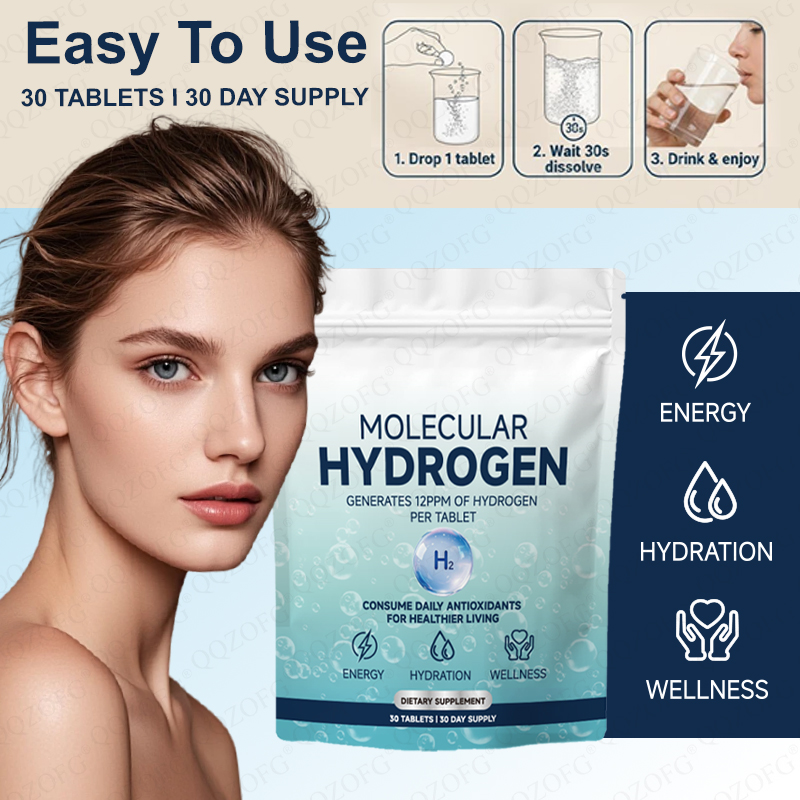
The most practical way to benefit from molecular hydrogen research is through effervescent hydrogen tablets — the same delivery method used in many of the clinical studies. When a tablet dissolves in water, it generates molecular hydrogen gas at therapeutic concentrations. Our Molecular Hydrogen Tablets generate up to 12PPM of dissolved H₂ per tablet — a concentration consistent with the research literature.
The protocol is straightforward: drop one tablet into a glass of water, wait approximately 60 seconds for it to fully dissolve, and drink immediately for maximum benefit.
Professor Shigeo Ohta Explains Molecular Hydrogen Research — Nippon Medical School
Ready to Start Your Wellness Journey?
Free shipping within Australia. 30-day satisfaction guarantee. International shipping to NZ, USA & UK.
Related Articles
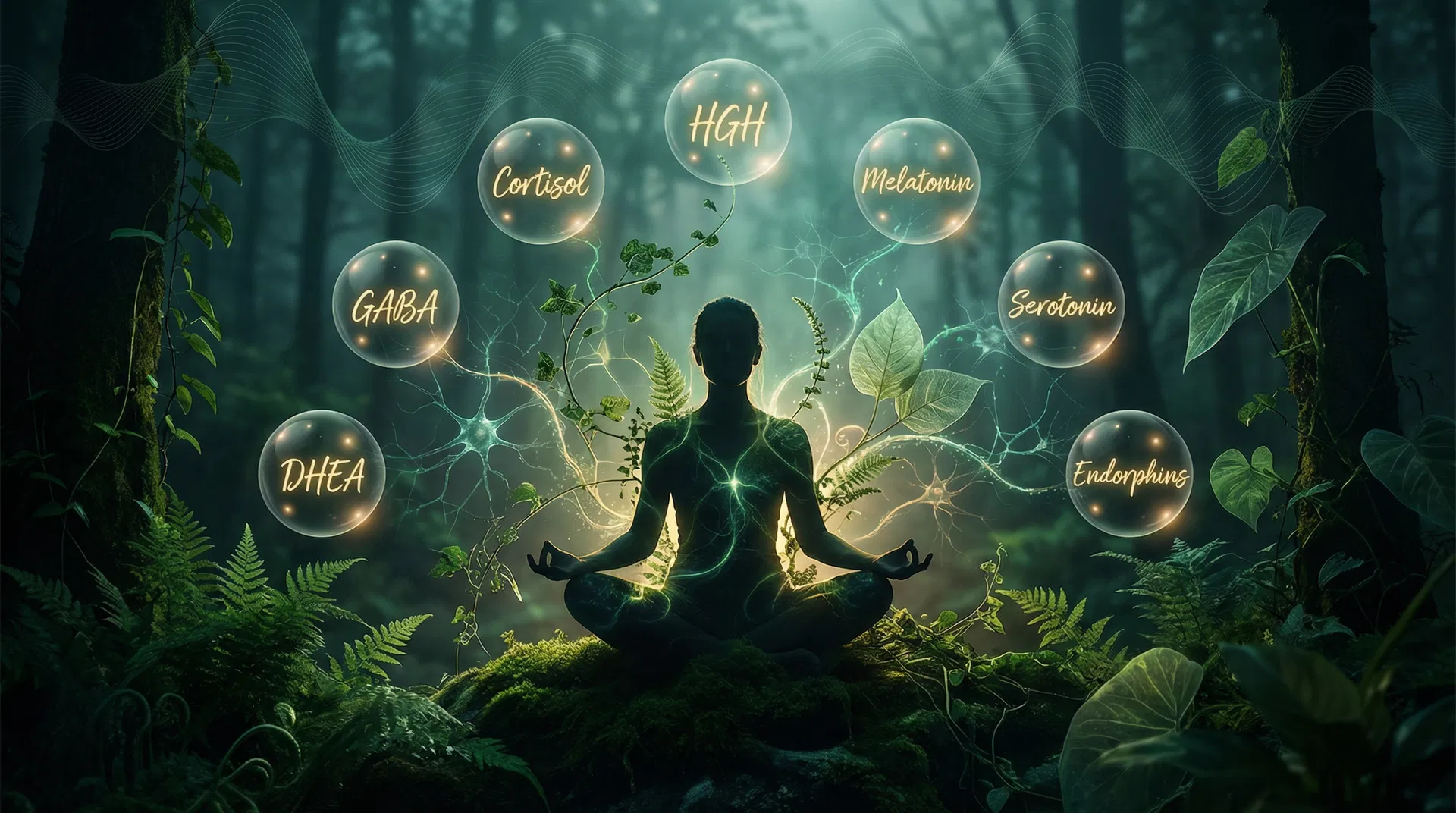
7 Brain Chemicals Boosted by Meditation & Natural Wellness — DHEA, GABA, Cortisol, HGH, Melatonin, Serotonin & Endorphins
Science confirms that consistent meditation and natural wellness practices dramatically alter your brain chemistry — elevating youth hormones, calming stress, deepening sleep, and flooding the body with feel-good compounds. Here is what the research reveals about all seven.
Stem Cell Activation: What the Research Actually Says
The term 'stem cell activation' is used frequently in wellness circles. Here's an honest look at what the peer-reviewed research says about GHK-Cu, phototherapy, and cellular regeneration.