Hydrogen Water vs Hydrogen Tablets: Which Delivers More?
The Hydrogen Wellness Boom
Molecular hydrogen (H₂) has moved from niche biohacking circles into mainstream wellness. You can now find hydrogen-infused water in health food stores, canned hydrogen water online, and hydrogen-generating tablets — all claiming to deliver the same therapeutic benefit. But are they equivalent? The science says no.
How Hydrogen Water Is Made
Most commercial hydrogen water is produced by one of three methods: electrolysis (passing an electrical current through water), pressurised infusion (dissolving H₂ gas under pressure), or magnesium-based reactions. The challenge with all three is retention — molecular hydrogen is the smallest molecule in existence and escapes from water extremely rapidly.
The Concentration Problem
Research published in the *Medical Gas Research* journal found that the therapeutic threshold for molecular hydrogen is generally considered to be 0.5 mg/L (0.5 PPM) or above. Most bottled hydrogen water products tested in independent studies contained between 0.1 and 0.4 PPM by the time they reached the consumer — well below the therapeutic threshold, due to hydrogen escaping through packaging.
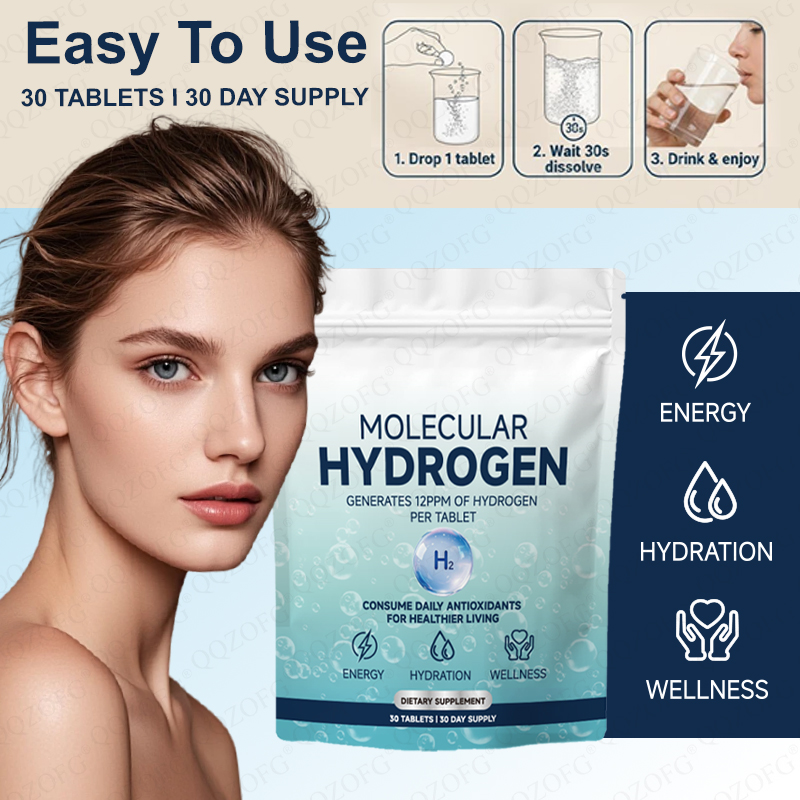
Effervescent hydrogen tablets, by contrast, generate hydrogen at the point of consumption. When dissolved in 300–500ml of water immediately before drinking, a quality tablet can produce concentrations of 8–12 PPM — 20 to 30 times the concentration of most bottled products.
What the Research Shows
A 2023 review in *Frontiers in Physiology* analysed 47 clinical trials on molecular hydrogen and concluded that dose-dependent effects were consistently observed — meaning higher concentrations produced stronger antioxidant and anti-inflammatory outcomes. The review noted that effervescent tablet delivery was among the most reliable methods for achieving clinically relevant concentrations.
Professor Shigeo Ohta's landmark 2007 study (which launched the modern era of H₂ research) used hydrogen-saturated saline at concentrations of 0.6 mM — equivalent to approximately 1.2 mg/L. Modern effervescent tablets routinely exceed this concentration.
Cost and Practicality
Bottled hydrogen water typically costs A$3–6 per 250ml serve. A quality effervescent tablet dissolved in 500ml of tap water costs approximately A$1.17 per serve (based on our 30-tablet pack at A$34.95) — while delivering a significantly higher and more consistent hydrogen concentration.
The Verdict
For anyone serious about the therapeutic potential of molecular hydrogen, effervescent tablets represent the most practical, cost-effective, and scientifically consistent delivery method available. The key is to dissolve and drink immediately — hydrogen concentration drops by approximately 50% within 10 minutes of dissolution.